

February is the perfect time to focus on key aspects of your health: your heart, brain, and sleep. These systems work together in harmony to keep you energized, focused, and thriving. By understanding how they are connected and learning how to support them, you can take important steps toward a healthier lifestyle.
Why Heart and Brain Health Matter
Your heart and brain are the engines of your body, working tirelessly to ensure every cell receives the oxygen and nutrients it needs. However, stress, poor diet, and modern lifestyles can put strain on these vital systems.
- Heart Health: Cardiovascular health is foundational to overall wellness. A strong heart ensures proper circulation, which delivers nutrients and oxygen to your brain and body.
- Brain Function: Your brain controls memory, focus, and mood, making its health critical for productivity and emotional well-being. Without adequate nutrition and circulation, brain function can suffer.
The Role of Niacin (Vitamin B3)
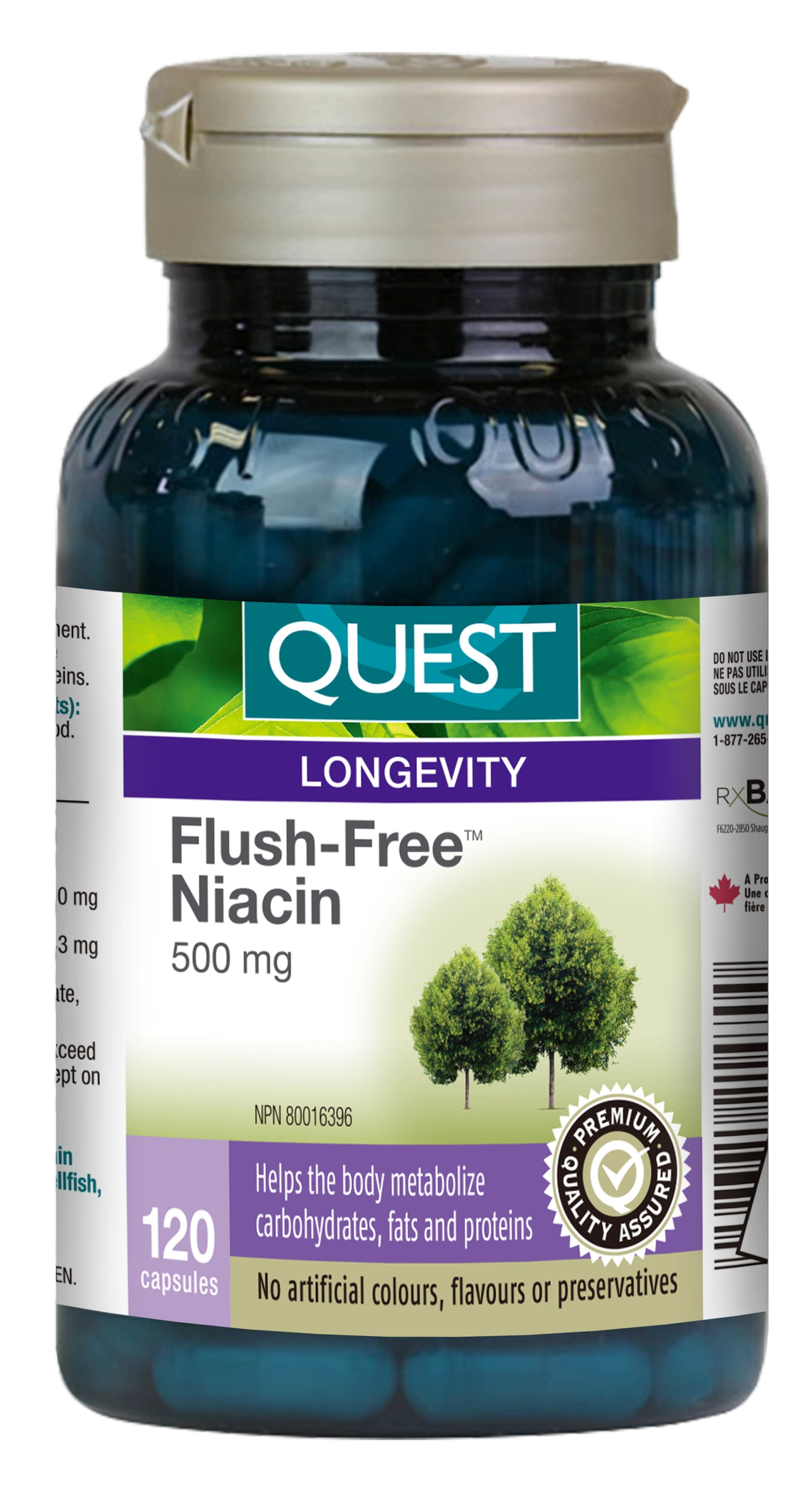
Niacin, also known as Vitamin B3, is a crucial nutrient for both heart and brain health. It plays an essential role in:
-
Cholesterol Management:
Niacin helps maintain healthy cholesterol levels by reducing LDL (bad cholesterol) and increasing HDL (good cholesterol). This contributes to better cardiovascular health and reduces the risk of heart disease. -
Energy Production:
Your body uses niacin to convert carbohydrates, fats, and proteins into energy. This process ensures that your cells, including those in your heart and brain, function optimally. -
Brain Health:
Niacin is vital for brain function because it supports the repair of damaged brain cells and helps maintain cognitive performance. A deficiency in niacin has been linked to fatigue, memory problems, and even mood disorders. -
Skin Health and Beyond:
Niacin promotes healthy skin by supporting cell repair and reducing inflammation. This makes it an unsung hero in overall vitality.
Foods rich in niacin include lean meats, fish, nuts, and whole grains. For individuals with higher nutritional needs, supplements may help fill in the gaps.
Better Sleep for a Healthier Life
Good sleep is essential for both your heart and brain. During sleep, your body repairs itself, processes memories, and regulates stress hormones. If you’re not sleeping well, your health can quickly decline.
Natural aids like melatonin can help regulate your sleep cycle, especially for those dealing with occasional insomnia or irregular schedules. By prioritizing sleep, you can wake up refreshed, reduce stress, and improve your overall well-being.
Simple Steps to Support Heart, Brain, and Sleep Health
- Eat a Heart-Healthy Diet: Include foods rich in omega-3s, niacin, and antioxidants, such as salmon, walnuts, spinach, and avocados.
- Exercise Regularly: Aim for at least 30 minutes of moderate activity most days to support circulation and cognitive function.
- Practice Stress Management: Techniques like mindfulness or yoga can help reduce stress, which benefits both your heart and brain.
- Prioritize Sleep: Create a bedtime routine that includes winding down with relaxing activities and avoiding screens before bed.
- Stay Hydrated: Proper hydration supports circulation and helps your body perform at its best.
Invest in Your Wellness
By taking small steps to support your heart, brain, and sleep, you can achieve a balanced, healthier lifestyle. February is the perfect time to reflect on your wellness goals and put them into action. Incorporate these tips into your routine and give your body the care it deserves.