

Team of Quest
Minerals
Essential minerals are minerals necessary for human health. They are divided into two groups: major minerals and trace minerals. The major minerals are used and stored in large quantities in the body. Although trace minerals are only needed in smaller amounts than major minerals, they are equally important in the body.
Major Minerals
1. Calcium
Specific uses or purposes:
- Helps in the development and maintenance of bones and teeth (especially in children and young adults).
- Adequate calcium (and vitamin D) (throughout life) as part of a healthy diet, (along with physical activity) may reduce the risk of developing osteoporosis (in peri- and postmenopausal women) (in later life).
- Adequate calcium (and vitamin D) (throughout life) as part of a healthy diet, (along with physical activity) may help prevent bone loss/osteoporosis (in peri- and postmenopausal women) (in later life).
- As part of a healthy diet (when taken with Vitamin D) may help prevent bone loss/osteoporosis.
- Source of/An electrolyte (for the maintenance of good health).
- Helps to maintain normal muscle function.
- Helps support bone health.
Symptoms of Deficiency:
Rickets, osteomalacia, osteoporosis, muscle spasms, leg cramps.
Good Natural Sources:
Dairy products, fortified tofu and fortified soy beverage, legumes, dark green vegetables, canned fish with bones.
Calcium is the most abundant mineral in the body, and one of the most essential, as it is required for so many bodily functions. Calcium is not only necessary for the structure and function of bone and teeth, but also important for normal nerve conduction, muscle contraction, blood pressure regulation, and blood clotting.
It is important that older people get enough calcium. The efficiency of calcium absorption decreases as people age.
2. Phosphorus
Specific uses or purposes:
- Helps in the development and maintenance of bones and teeth.
- Source of/An electrolyte for the maintenance of good health.
- Helps to maintain the body's ability to metabolize nutrients.
Symptoms of Deficiency:
Loss of appetite, anemia, muscle weakness, coordination problems, bone pain, soft and deformed bones, a higher risk of infection, a feeling of burning or prickling in the skin, confusion.
Good Natural Sources:
Dairy products, meat, fish, poultry, eggs, nuts, legumes, whole grains.
Next to calcium, phosphorus is the second-most common mineral in the body. Both calcium and phosphorus are needed for nerve conduction and muscle contraction. Together they also lend structure to the bones and teeth. Phosphorus also helps maintain the body’s acid-base balance. Additionally, phosphorus is a component of DNA, RNA, cell membrane structure and of the body’s key energy source, ATP.
Nearly every food contains some phosphorus, and as such, the deficiency is rare. Most people tend to ingest an overabundance of it in the form of phosphates, especially from meat products and soft drinks. Too much phosphorus interferes with calcium absorption.
3. Potassium
Specific uses or purposes:
- Products providing 100 mg or more of potassium per day:
- Source of/An electrolyte for the maintenance of good health.
Symptoms of Deficiency:
Muscle weakness, fatigue, mental confusion, irritability, heart disturbances, problems in nerve conduction and muscle contraction.
Good Natural Sources:
Dairy products, meats, fruits and vegetables, whole grains, legumes.
Potassium is the third most abundant mineral in the body. In conjunction with calcium, potassium stimulates nerve impulses and muscle contractions. Potassium plays a critical role in the transmission of electrical impulses in the heart and helps regulate the heartbeat. Along with sodium, potassium regulates the body’s water balance and the acid-base balance.
Potassium is a key mineral to help control high blood pressure. Low potassium intakes increase the risk of high blood pressure, especially when combined with high sodium intakes. In contrast, higher potassium intakes may help decrease blood pressure because it helps increase vasodilation and urinary sodium excretion.
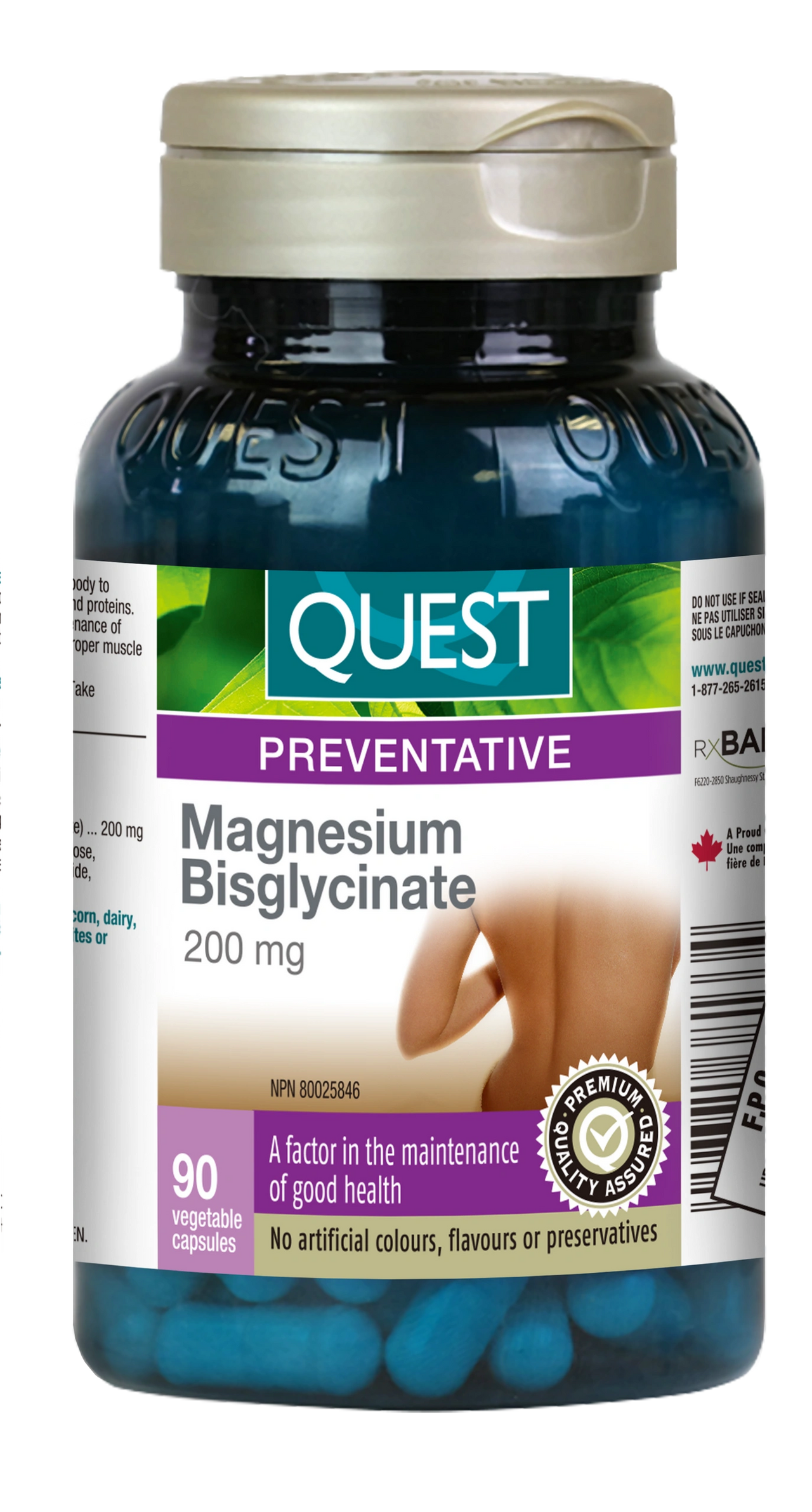
4. Magnesium
Specific uses or purposes:
- Helps in the development and maintenance of bones and teeth.
- Helps in tissue formation.
- Helps to maintain (proper) muscle function.
- Helps in the development and maintenance of bones and teeth and maintain proper muscle function and tissue formation.
- Helps maintain proper muscle function and tissue formation.
- Helps to maintain proper muscle function, including the heart muscle.
- Helps to maintain heart muscle function.
- Provides/Source of/An electrolyte (for the maintenance of good health).
- Helps in energy metabolism, tissue formation and bone development.
- Helps to maintain normal electrolyte balance.
- Helps to maintain the body's ability to metabolize nutrients.
Symptoms of Deficiency:
Fatigue, mental confusion, irritability, weakness, heart disturbances, problems in nerve conduction and muscle contraction, muscle cramps, loss of appetite, insomnia, predisposition to stress.
Good Natural Sources:
Legumes, nuts and seeds, green leafy vegetables, seafood, blackstrap molasses, chocolate.
Magnesium helps in the active transport of calcium and potassium ions across cell membranes, a process that is important to nerve impulse conduction, muscle contraction, and normal heart rhythm. Additionally, magnesium is a cofactor in more than 300 enzyme systems that regulate variable biochemical reactions, including protein synthesis, muscle and nerve function, blood glucose control, and blood pressure regulation.
Older people are more likely at risk of magnesium inadequacy because they usually consume lower amounts of magnesium than younger adults. Additionally, magnesium absorption from the gut decreases and renal magnesium excretion increases with age.
5. Sodium
Good Natural Sources:
Table salt, soy sauce, pickled vegetables, bacon, breads.
The main function of sodium is to regulate the water and acid-base balance in the body, although it performs a multitude of other functions. Sodium is essential for nerve stimulation and muscle contraction.
Almost all foods contain sodium naturally or as an ingredient. Except to replace electrolytes in dehydration, sodium should not be supplemented in the diet; it should be avoided. Excess amounts of sodium may contribute to water retention and high blood pressure.
6. Chloride
Good Natural Sources:
Table salt, soy sauce, meats, breads, vegetables.
As an electrolyte, chloride is needed to maintain the acid-base balance of bodily fluids and the water balance within the body. Additionally, it is a component of stomach acid, hydrochloric acid.
7. Sulphur
Good Natural Sources:
Meats, poultry, fish, eggs, milk, legumes, nuts.
Both essential and abundant, sulphur is a mineral that is readily available in food. Sulphur plays an important role in various bodily functions, such as making protein, building and repairing DNA, and helping body metabolize food. Since some amino acid contain sulphur, adequate amounts of protein ensure an ample supply of sulphur.