

Introduction
Vitamin D, also known as the sunshine vitamin, is a nutrient that is essential to our health. Our bodies produce this vitamin when ultraviolet (UV) rays strike the skin. This contact triggers a reaction, which causes the skin to produce vitamin D. It helps our body absorb calcium, build strong bones and teeth, reduce inflammation, and enable normal muscle function.
What does vitamin D deficiency look like
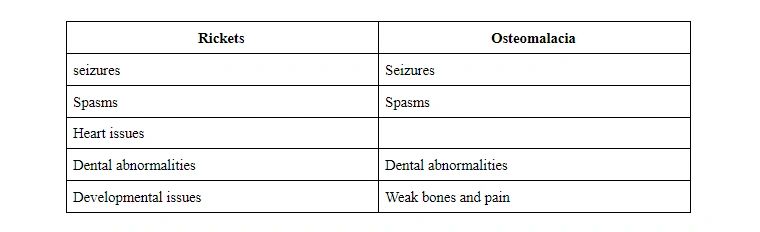
Vitamin D deficiency can manifest itself in any age group. In children, a deficiency can lead to rickets, a disease where the bone tissue isn’t properly mineralized, causing soft bones and deformities. It can lead to further problems with seizures, spasms, heart issues, and dental abnormalities. Osteomalacia is a result of vitamin D deficiency in adolescents and adults. Similarly to rickets, this disease results in weak bones and can cause deformities, pain, seizures, spasms, and dental abnormalities.
Where can I get more vitamin D
Like the nickname suggests, vitamin D can be obtained from the sun, along with some foods and supplements. It occurs naturally in very few foods. Dietary vitamin D mostly comes from fortified foods where it’s added in the production process. Canada’s food guide recommends the following as sources of the vitamin:
- Eggs yolk
- Beef liver
- Cheese or unsweetened lower fat milk
- Mushrooms
- Soft margarine
- Fatty fish (salmon, trout, tuna, mackerel)
- Unsweetened fortified plant-based beverages (soy beverages)
In the United States and Canada, dairy products are usually fortified with vitamin D, since the winters can be long and lack sunlight. Ready to eat foods like cereal, some brands of orange juice, margarine, and yogurt often contain added vitamin D as well.
Should I consider taking supplements
Vitamin D production can be changed by a variety of factors, including the season, time of day, sunscreen usage, age, and skin colour. Research has shown that taking supplements can help prevent cancer, heart disease, and much more. There are certain groups in the population who should be careful about vitamin D levels:
- Breastfed infants - infants under 6 months old should be kept out of direct sunlight, and their dietary vitamin D intake is heavily dependent on the mother’s diet
- Older adults - as you age, your skin produces less and less vitamin D
- People with limited sun exposure - this includes those who wear long robes, dresses or head covering, or those who spend a lot of time indoors
- Dark skinned people - darker skin pigments reduce the ability to produce vitamin D
- Conditions that limit fat absorption - vitamin D is fat soluble, so it relies on the gut’s ability to absorb dietary fat
If you’re in one of these groups, considering eating fortified foods or taking supplements is a good idea. Health Canada currently recommends that people who are 50 or above take 400 IU vitamin D supplements a day.
Supplements I can take
-
QUEST® VITAMIN D 1000 IU
- Quest® Vitamin D3 1,000 IU is a superior supplement of the most bioavailable form of vitamin D. This vitamin is essential for normal development and maintenance of bones and teeth, preventing rickets, osteomalacia, and osteoporosis; and it is an important factor in overall health.
Where can I find more information
Sources
- Canada, H. (2021, August 11). Vitamin D. Canada.ca. https://www.canada.ca/en/health-canada/services/nutrients/vitamin-d.html.
- Nair, R., & Maseeh, A. (2012, April). Vitamin d: The "sunshine" vitamin. Journal of pharmacology & pharmacotherapeutics. https://www.ncbi.nlm.nih.gov/pmc/articles/PMC3356951/.
- U.S. Department of Health and Human Services. (n.d.). Office of dietary supplements - vitamin d. NIH Office of Dietary Supplements. https://ods.od.nih.gov/factsheets/VitaminD-HealthProfessional/.